Oct 12, 2026
Domestic Alternates for German Couplings
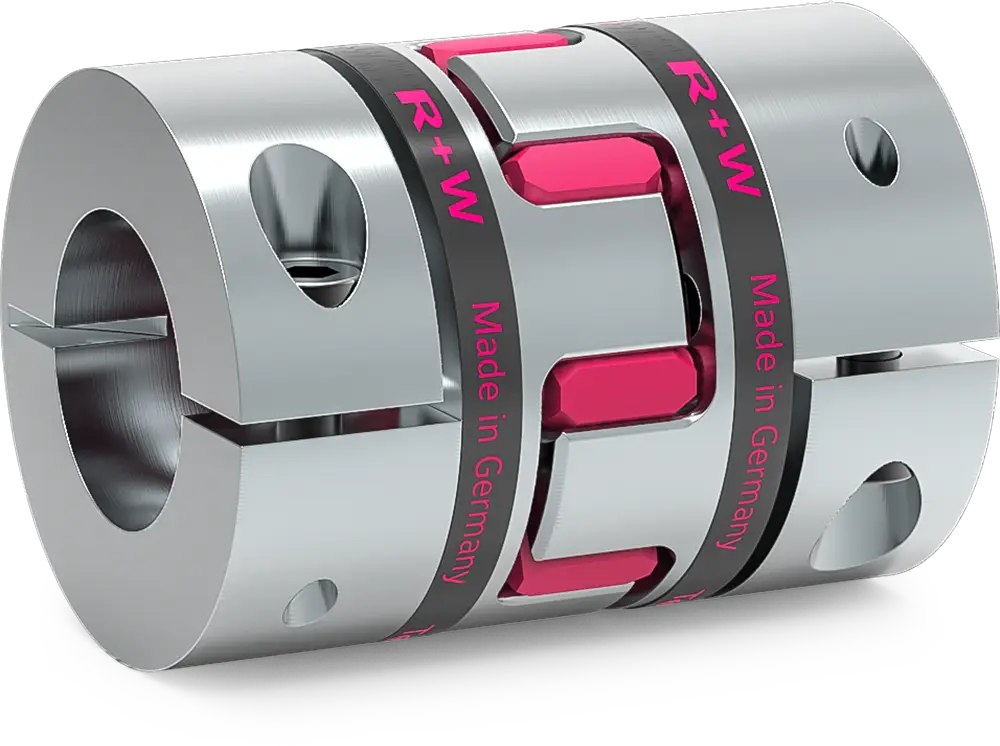
Domestic Alternatives for German Couplings: A Practical Guide for Industrial Buyers
Introduction
German couplings are widely recognized for their precision engineering, durability, and reliable performance in demanding industrial applications. However, importing these components can involve higher procurement costs, longer delivery times, customs procedures, and challenges in obtaining replacement parts. For businesses operating in India, domestic alternatives for German couplings can offer a practical solution without necessarily compromising on performance or operational reliability.
Indian coupling manufacturers are increasingly providing products designed for various industrial applications, including pumps, compressors, gearboxes, conveyors, and heavy-duty machinery. By selecting the right domestic alternative, companies can reduce procurement expenses, simplify maintenance, and improve the availability of critical components.
Why Consider Domestic Alternatives to German Couplings?
Imported couplings may be suitable for specialized applications, but they are not always the most economical option for every industrial requirement. Domestic alternatives offer several potential advantages.
1. Cost-Effective Procurement
Locally manufactured couplings can reduce overall procurement costs by minimizing international shipping, import duties, and other associated expenses. This can be particularly beneficial for businesses that require frequent replacements or purchase components in large quantities.
2. Faster Delivery and Availability
Sourcing couplings from Indian manufacturers can shorten lead times and reduce dependence on international supply chains. Faster access to spare parts also helps minimize equipment downtime.
3. Easier Technical Support
Domestic suppliers may offer more accessible technical assistance, product customization, installation guidance, and after-sales service. This can simplify maintenance and troubleshooting.
4. Customization for Specific Applications
Indian manufacturers may provide customized coupling dimensions, bore sizes, keyways, materials, and torque capacities according to equipment requirements. Customization availability depends on the manufacturer and product range.
Types of Domestic Couplings to Consider
Choosing an alternative to a German coupling requires understanding its design and operating conditions. Different coupling types serve different purposes.
1. Jaw Couplings
Jaw couplings are commonly used in pumps, small compressors, conveyors, and general-purpose machinery. They use an elastomeric element to transmit torque while helping accommodate minor shaft misalignment and dampen vibration.
Domestic jaw couplings can be suitable for applications where compact dimensions, simple installation, and routine maintenance are important.
2. Grid Couplings
Grid couplings are designed for applications requiring torque transmission and shock-load absorption. They are frequently used in industrial drives, material-handling equipment, and heavy machinery.
When considering a domestic grid coupling, compare torque ratings, fatigue resistance, lubrication requirements, and performance under fluctuating loads.
3. Gear Couplings
Gear couplings are suitable for high-torque applications such as steel plants, industrial gearboxes, crushers, and heavy-duty drive systems. Their toothed hubs provide high torque capacity within a relatively compact design.
Before replacing an imported gear coupling, verify its rated torque, maximum speed, permissible misalignment, lubrication requirements, and service conditions.
4. Tyre and Rubber Couplings
Tyre and rubber couplings are useful when vibration damping, shock absorption, and flexible operation are priorities. They are commonly used in pumps, fans, compressors, and various industrial drive systems.
Domestic alternatives may provide a cost-effective option, but the elastomer compound, temperature range, chemical compatibility, and load capacity should be evaluated carefully.
5. Disc and All-Metallic Couplings
Disc couplings are often selected for applications requiring torsional stiffness, precision, and low maintenance. All-metallic designs can also be appropriate for specific high-temperature or demanding operating environments, depending on their construction.
These couplings require careful consideration of alignment, fatigue limits, rotational speed, and the manufacturer's operating specifications.
How to Select the Right Indian Alternative
A lower purchase price should not be the only factor when comparing domestic couplings with German products. The replacement must meet the application's technical and safety requirements.
Consider the following factors:
Torque capacity: Confirm that the coupling can handle normal operating torque as well as starting loads and occasional peak loads.
Shaft dimensions: Match the bore diameter, shaft size, keyway, and mounting arrangement.
Misalignment tolerance: Check the permitted angular, parallel, and axial misalignment.
Operating speed: Ensure that the coupling is rated for the required rotational speed.
Material quality: Evaluate the suitability of the steel, cast iron, elastomer, or other materials used.
Environmental conditions: Consider temperature, dust, moisture, corrosion, and chemical exposure.
Maintenance requirements: Compare lubrication needs, element replacement intervals, and inspection procedures.
Standards and testing: Review applicable specifications, manufacturing tolerances, and available quality documentation.
Whenever possible, provide the domestic supplier with the original coupling model number, technical drawing, equipment details, and operating parameters. This helps the supplier recommend a compatible replacement.
Industries That Can Benefit from Domestic Coupling Solutions
Domestic coupling alternatives can serve a wide range of industries, including:
Steel and metal processing
Cement and mining
Power generation
Food and beverage manufacturing
Chemical and pharmaceutical production
Water treatment and pumping systems
Material handling and conveyor systems
General engineering and manufacturing
The suitability of a particular coupling depends on the application's torque, speed, alignment, environmental conditions, and reliability requirements.
German Couplings vs. Domestic Alternatives: What Should You Compare?
Rather than assuming that imported products are always superior or domestic products are always cheaper, evaluate both options using consistent technical and commercial criteria.
Compare the total cost of ownership, including purchase price, delivery time, installation, maintenance, spare-part availability, and expected service life. Also verify that the proposed replacement satisfies the original equipment manufacturer's requirements.
For critical machinery, conduct an engineering review before changing coupling specifications. A physically compatible component is not necessarily a technically equivalent replacement.
Conclusion
Domestic alternatives for German couplings can help Indian industries improve component availability, control procurement costs, and simplify maintenance. Jaw, grid, gear, tyre, disc, and other coupling designs are available for different industrial requirements, but each application demands careful technical evaluation.
The best replacement is not simply the least expensive option. It is a coupling that delivers the required torque capacity, alignment tolerance, durability, and operating reliability while meeting the equipment's specifications. By working with a qualified domestic manufacturer and comparing technical data, industrial buyers can make informed sourcing decisions and build a more reliable supply chain.
Frequently Asked Questions
Are Indian coupling manufacturers a reliable alternative to German brands?
Indian manufacturers can be suitable alternatives when their products meet the required technical specifications and quality standards. Evaluate the manufacturer's experience, testing procedures, documentation, and application references before purchasing.
Can domestic couplings replace imported couplings directly?
Some can, but direct replacement should not be assumed. Check the dimensions, torque rating, speed limit, misalignment capacity, material, and operating conditions before installation.
Are domestic couplings more economical?
They may reduce procurement and logistics costs. However, compare total ownership costs, including service life, maintenance, downtime, and replacement frequency.
Which coupling is best for high-torque industrial applications?
Gear and grid couplings are commonly considered for high-torque applications, but the correct selection depends on load characteristics, speed, misalignment, and operating environment.
What information should I provide when requesting a domestic coupling quotation?
Provide the existing coupling model, shaft and bore dimensions, required torque, operating speed, equipment type, environmental conditions, and any available technical drawing or specification sheet.